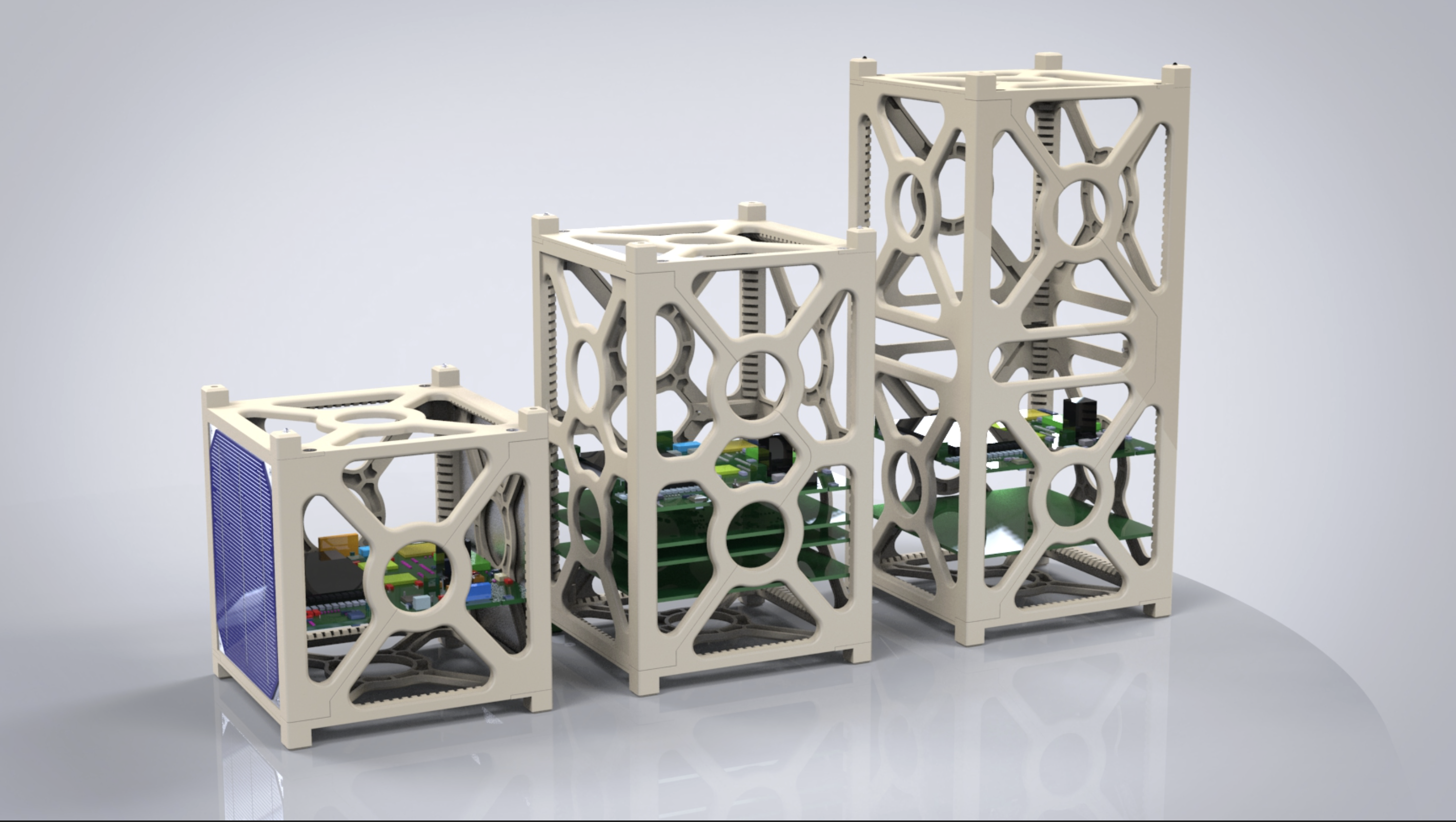
From Prototype to Qualification-Aware Hardware: Lessons from NASA’s SmallSat Structures, Mechanisms, Materials, and Additive Manufacturing Survey
A Builders Generation technical report drawing on NASA’s 2024 Small Spacecraft Technology report, covering additive manufacturing, polymer selection, TRL, ESD, PEEK, PEI, photopolymers, and qualification-aware hardware development.
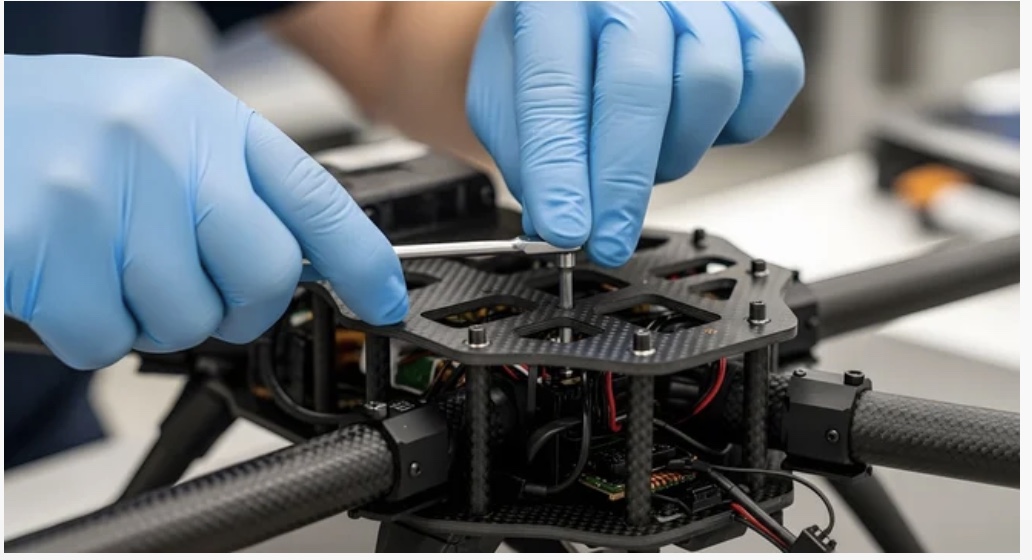
PA-CF vs PC-CF vs PPS-CF: The Carbon Fiber Composite Selection Guide for Hardware Engineers
Three carbon fiber composites — PA-CF, PC-CF, PPS-CF — each solve a different engineering problem. Stiffness-to-weight, impact toughness, chemical resistance, temperature ceiling: here's how to match the composite to the requirement.
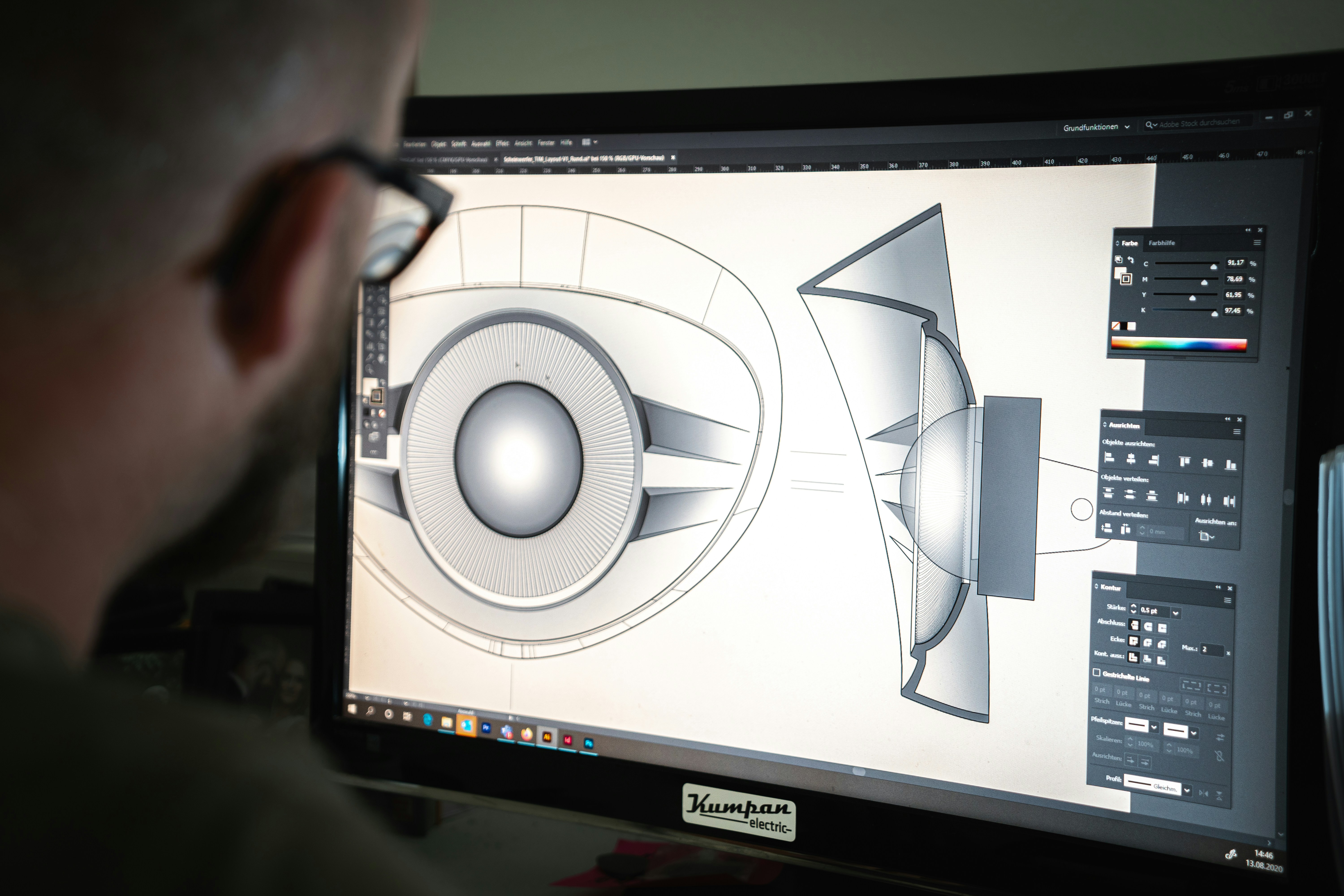
From CAD File to Deployed Hardware: The Builders Generation Production Workflow
Getting a part from CAD to deployment isn't just a print job. Here's the full Builders Generation workflow — from brief to DfAM review, material selection, print, inspection, and documentation.
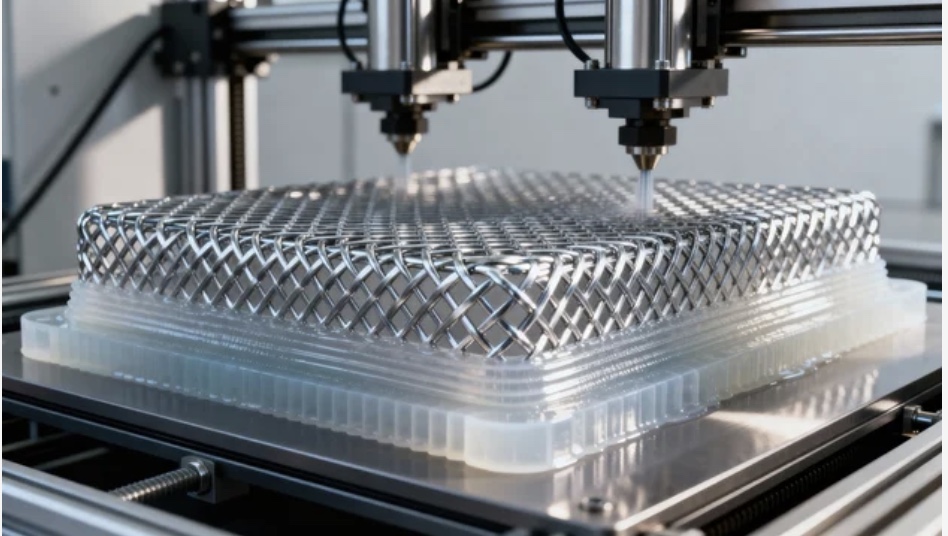
FFF vs SLS vs MJF: Which Process Actually Fits Your Engineering Requirements?
FFF, SLS, and MJF each suit different engineering problems. Here's the process fundamentals, trade-off table, and decision framework to stop choosing by familiarity and start choosing by requirement.
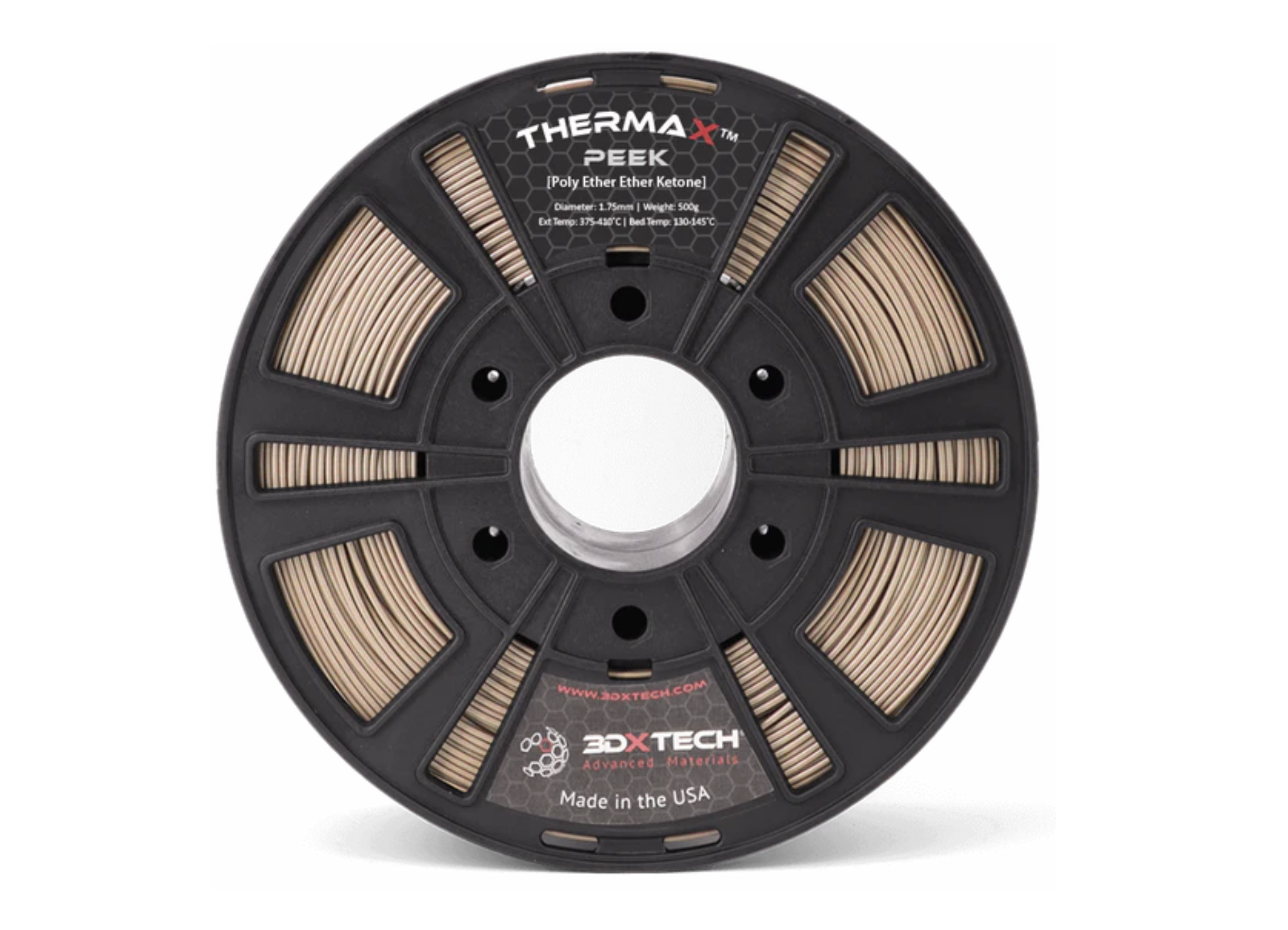
PEEK for Flight Hardware: Design Rules, Process Controls, and Test Planning
Printing PEEK is not the same as printing PLA. Thermal control, crystallinity, anisotropy, and documentation determine whether your PEEK part is ready for a qualification path.
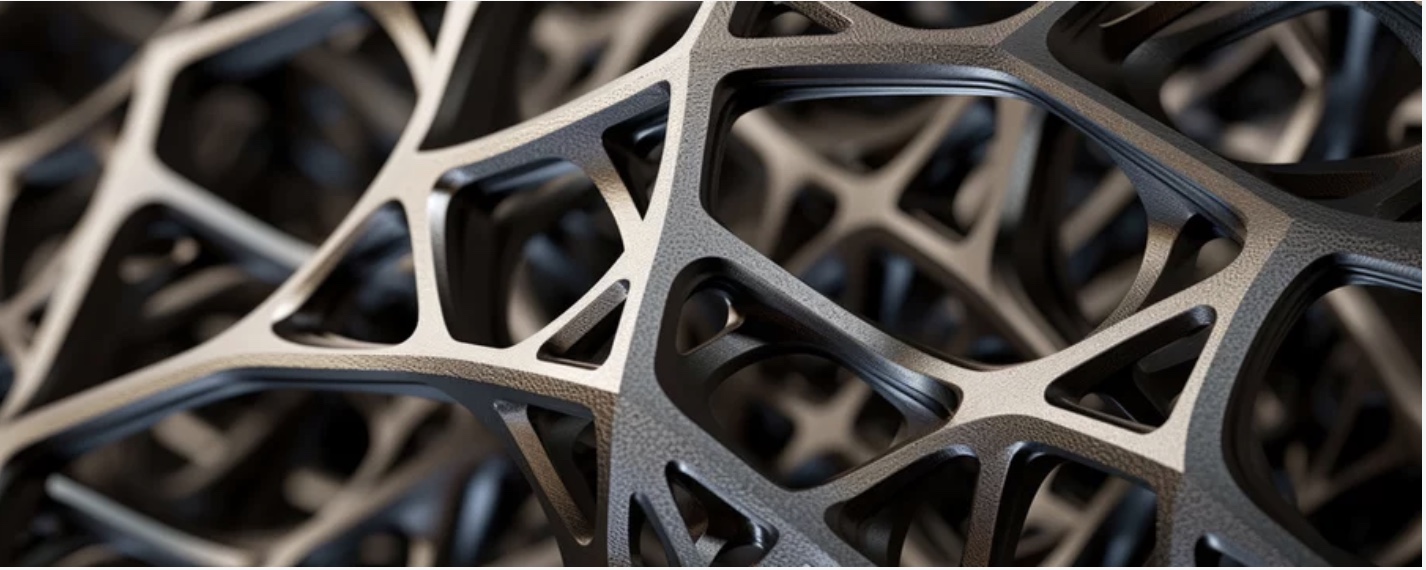
Generative Design and Surface Modeling: From Topology to Finished Geometry
Topology optimization tells you where material should be. Surface modeling tells you what it should look like. Generative design bridges both — and additive manufacturing is the only process that can build the result.
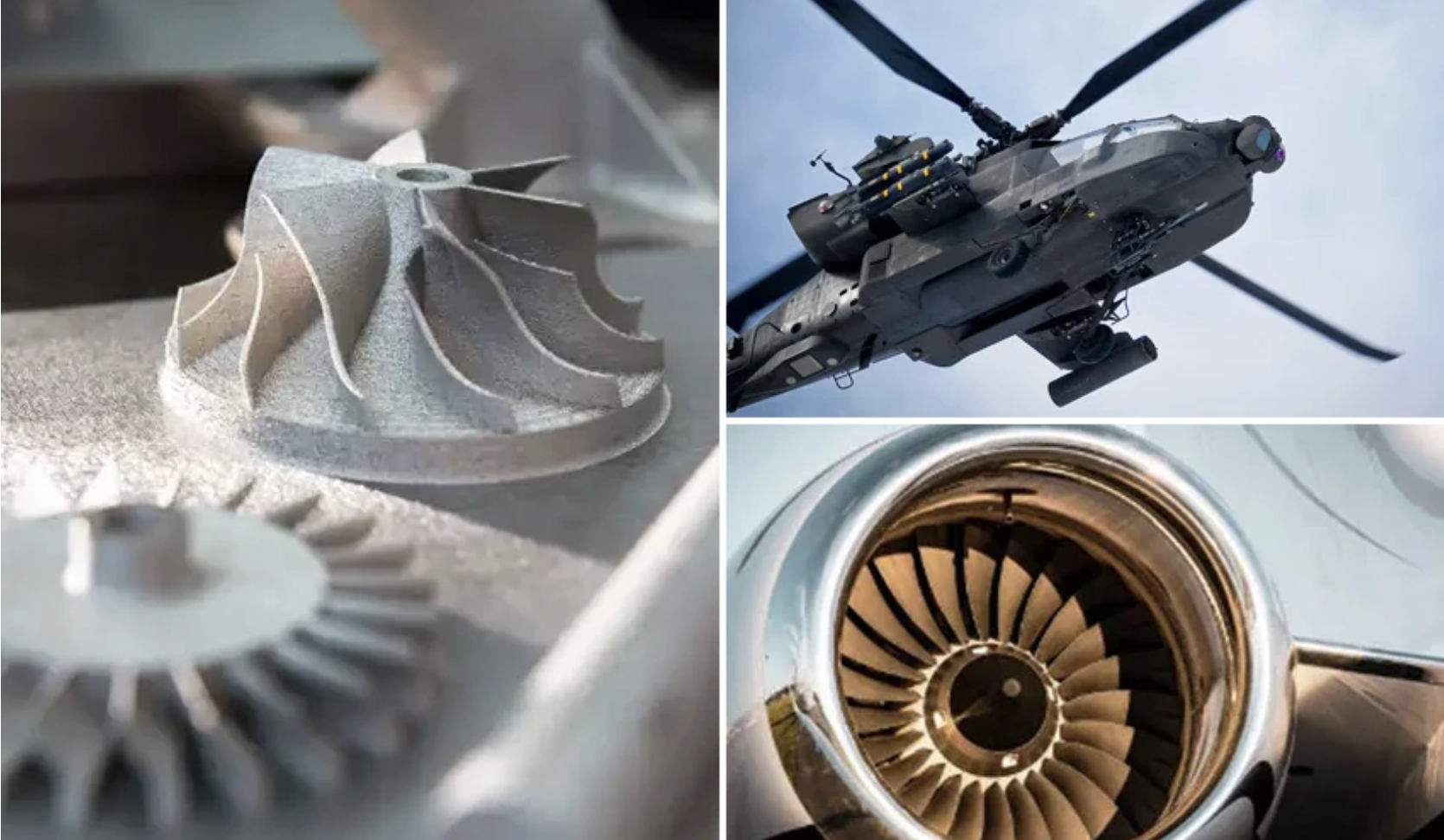
Defense-Grade Polymer Composites: From Field Conditions to High-Cycle Mechanisms
Defense programs demand materials that function after being dropped, soaked, frozen, baked, and shot at. PC-CF, PPS-CF, and ULTEM 1010 are earning their places in unmanned systems, soldier-worn hardware, and ground vehicle components.
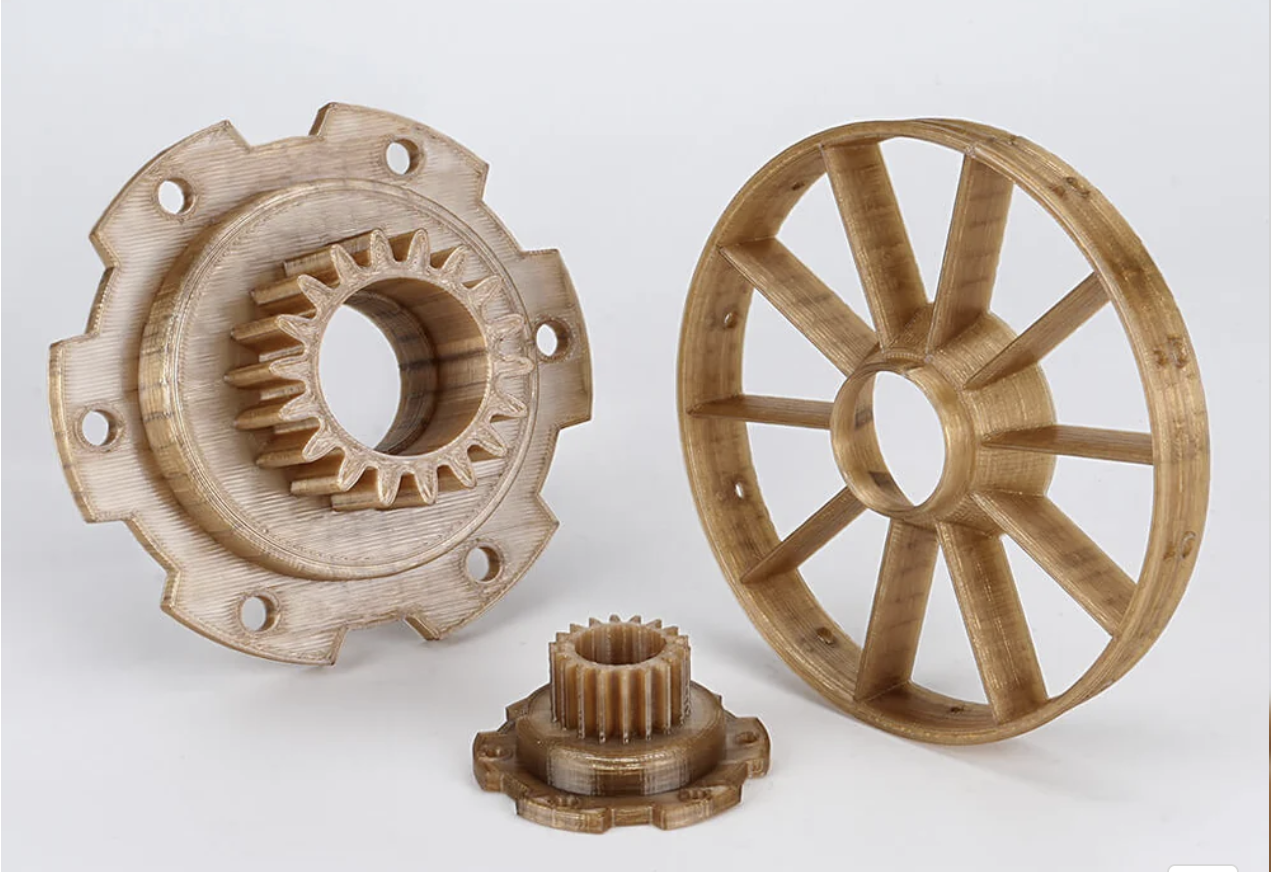
Materials for Space: What Survives LEO, GEO, and Deep Space Thermal Cycling
Satellites face -180 °C to +150 °C thermal cycling every 90 minutes in LEO. We break down which polymer composites survive the radiation, vacuum, and mechanical shock of launch and orbit — and which ones do not.
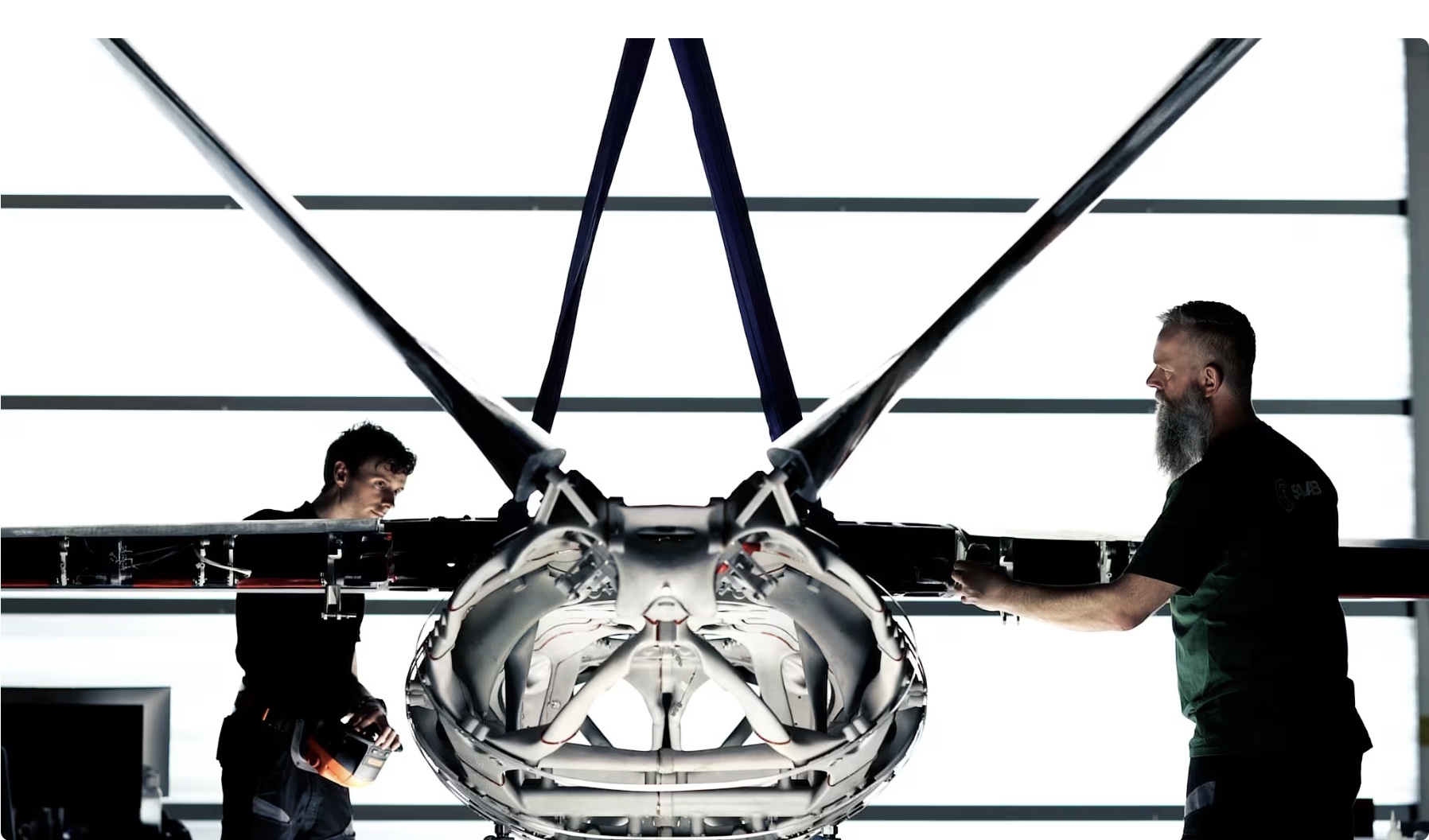
Engineering Polymers for Aerospace: ULTEM, PEEK, and the Case Against Metal
ULTEM 9085 and PEEK are rewriting the weight budget for interior cabin components, brackets, and ducting in commercial and military aircraft. Here is what the spec sheets say — and what they leave out.